Cloud & Infrastructure
Stop Buying Servers Just Because One Application Still Needs It
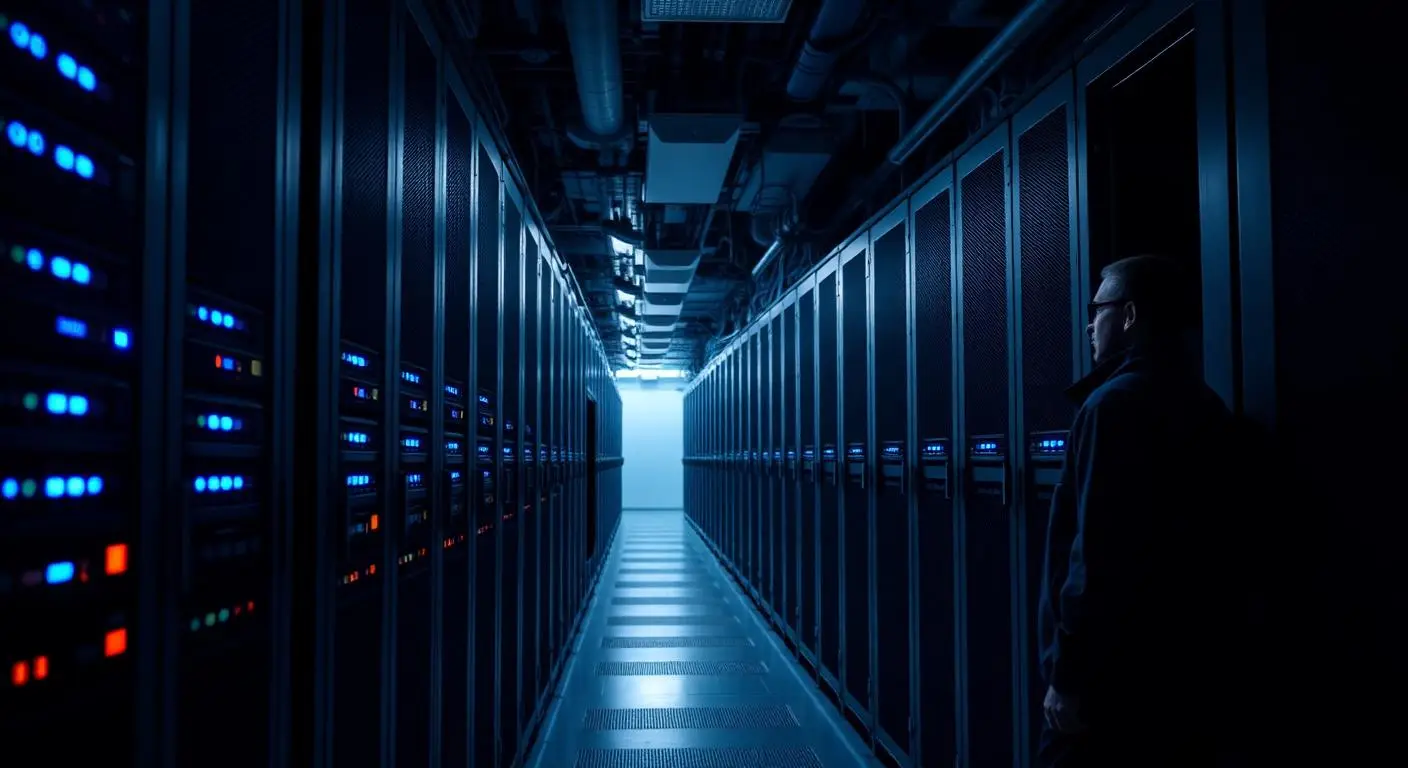
Many organizations have already moved email, collaboration and files into modern cloud services, and still depend on applications that require Windows Server, SQL Server, Remote Desktop or traditional infrastructure. Mayer Networks provides managed private infrastructure in Carbondale so those systems keep running without the organization purchasing and maintaining another generation of physical server hardware.
What we host
If it runs on a server, it can run on ours.
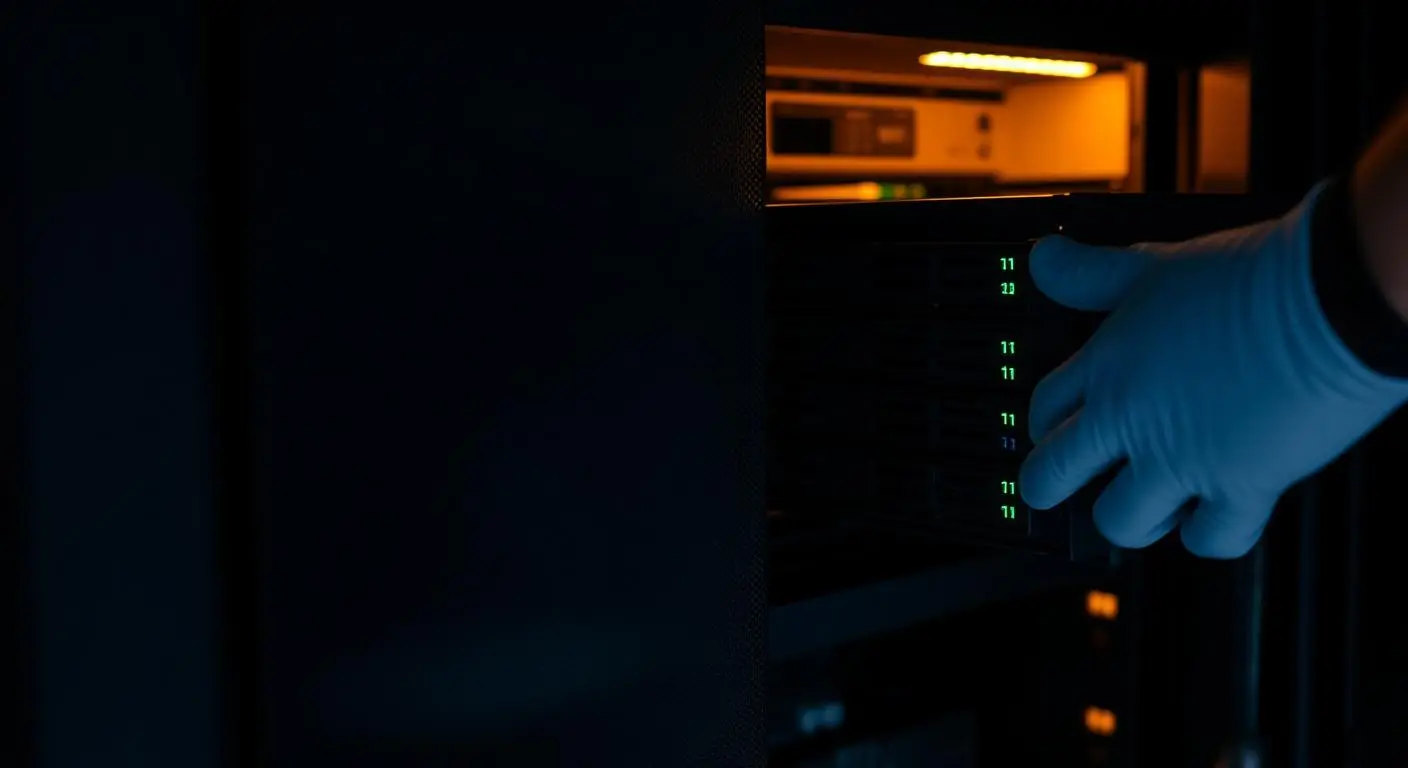
Virtual servers
Windows and Linux servers sized to the workload, running on enterprise hardware instead of a tower in a closet.
Line-of-business applications
Accounting, ERP, practice management, records and vertical-market software that still requires a server.
SQL and databases
Database servers placed beside the application they serve, with memory and storage sized to real query load.
Hosted desktops
Full Windows desktops, Remote Desktop Services sessions or a single published application.
File, print and domain roles
Domain services, file and print, utility and management servers moved off aging onsite hardware.
Multi-location environments
One application environment every office reaches, instead of a server and a backup job in every building.
The cost of owning servers
Server hardware is expensive. You don't have to keep buying it.
Modern server infrastructure is a major capital expense. Servers, processors, memory, enterprise storage, warranties, licensing and backup infrastructure can turn a routine hardware refresh into a significant investment, and several years later the cycle starts again.
With Mayer Networks Infrastructure as a Service, you can move appropriate workloads onto our infrastructure instead of purchasing another generation of server hardware. Mayer Networks provides and maintains the underlying compute, storage and virtualization platform while your organization pays for the infrastructure it needs as a managed service.
Avoid large hardware purchases
Move appropriate workloads to Mayer Networks infrastructure instead of funding another server and storage refresh.
No hardware refresh cycle
The underlying infrastructure becomes our responsibility rather than another capital project your organization has to plan every few years.
Right-size the environment
Resources can be designed around the workload instead of buying an oversized physical server today to accommodate what might be needed years from now.
Predictable infrastructure cost
Replace large periodic infrastructure purchases with a more predictable managed operating expense.
Side by side
What you carry, and what we carry.
Traditional server ownership
Your organization owns the hardware
- Purchase server hardware
- Purchase storage
- Hardware warranties
- Server replacement cycles
- Backup infrastructure
- Power and cooling
- Physical hardware failures
- Capital planning for refreshes
Mayer Networks IaaS
We own and operate the hardware
- Mayer Networks provides the infrastructure
- Managed compute and storage
- Virtualization platform included
- Infrastructure monitoring
- Hardware maintenance
- Infrastructure refresh handled by Mayer Networks
- Backup and DR options
- Predictable recurring service cost
This is a comparison of responsibility, not a price list. Whether hosting costs less than owning depends on the workload, the licensing and the hardware you already have. We size it honestly and tell you when buying is still the better call.
Hosted desktops & remote applications
Put the desktop next to the application.
A hosted desktop runs the Windows session in our datacenter rather than on the local computer. Users connect from wherever they are and work with the applications and data that live there.
It is delivered as a full hosted desktop, a Remote Desktop Services session, a published individual application, or access scoped to one program. The reason to do it is usually specific rather than general.
- Staff working from several locations
- An application that crawls over VPN
- Data that should stay off endpoints
- Users moving between computers
- Contractors needing controlled access
- An application that needs to sit beside its database
Why organizations move
The server was never the point. The application was.
No capital replacement cycle
Server hardware stops arriving as a five-figure quote in the wrong budget year.
Out of the closet
Production workloads leave rooms without cooling, power protection or physical security.
Protected power and connectivity
Generator-backed operation and multiple connectivity paths, rather than a wall outlet and one ISP.
Lifecycle handled underneath
Compute, storage, virtualization, firmware and hardware refresh are our problem, not yours.
Backup designed in
Protected copies and tested recovery are part of the build rather than something added later.
Monitored continuously
Patching, monitoring and capacity planning run against the environment as part of the service.
Where it runs
Carbondale, Illinois. Infrastructure we own and operate.
Mayer Networks has operated hosted infrastructure for more than a decade, with redundant datacenter capability supporting both hosting and disaster recovery. There is no third-party hosting provider between your request and the hardware.
Private datacenter
Primary datacenter in Carbondale, built to run production business and government workloads.
Redundant capability
Secondary datacenter capability so recovery does not depend on the site that failed.
Controlled access
Administrative access is restricted and multi-factor protected, and hosted environments are segmented from one another.
Scope
One workload, or the whole environment.
Start narrow
One application
A single line-of-business system moves, the physical server it lived on retires, and everything else stays exactly where it is.
- The last server in the building
- A vendor application with specific requirements
- A database that outgrew its hardware
Or go wide
The whole environment
Servers, desktops, databases and recovery move together, so there is one environment to support, one backup design and one place users work from.
- A server room reaching end of life at once
- Multi-location organizations consolidating
- Organizations that want a recovery position built in
Hosting is not automatically the right answer. Some workloads still belong on site, particularly where they are tied to local equipment or the existing hardware has useful life left. We evaluate per workload and say so.

Accountability
One team owns the whole path.
When a user says an application is slow, the cause may be the endpoint, the local network, the ISP, identity, the firewall, the server, the database, storage, backup activity or a security control.
Hosted infrastructure is part of the managed relationship because that is the only way the answer arrives instead of a handoff. The same engineers manage your users, network, security, Microsoft 365, vendors and the infrastructure underneath.
Your software vendor supports the application. Mayer Networks supports everything underneath it, built to the requirements that vendor stated.
Microsoft licensing
Licensing for hosted Microsoft workloads
For eligible hosted workloads a separate perpetual server-license purchase may not be needed. Not every product or existing license qualifies, and whether licenses you already own can move depends on how they were purchased. We check rather than assume. Program participation covers software licensing only and implies no Microsoft ownership, operation or certification of our facilities.
Backup & disaster recovery
Hosting is where recovery planning becomes real.
Hosted workloads are backed up as part of the design, and the same infrastructure gives us somewhere to fail over to. Backup and disaster recovery are separate services with separate designs, and which one a workload needs depends on how long you can be without it.
Is Mayer Networks Cloud a public cloud service?
No. It is managed private infrastructure for organizations Mayer Networks supports. It is not shared website hosting, public VPS hosting, self-service compute or anonymous infrastructure, and we do not sell standalone virtual machines to customers we do not manage.
Do we have to be a managed client to use it?
Effectively yes. It is available to organizations under an active managed-services relationship or entering one. Infrastructure cannot be managed well in isolation: performance problems usually involve the endpoint, network, identity, firewall, application, database and storage together, and we are only effective when we can see the whole path.
How is this different from Azure or AWS?
Public cloud platforms are excellent, and we design workloads onto them when they fit. They supply capacity at enormous scale; someone still has to architect, secure, monitor, back up, cost-control and troubleshoot what runs there. Here that responsibility sits with Mayer Networks as part of the managed relationship.
Can you host our accounting, ERP or vendor application?
Usually, if it runs on Windows Server or another platform we can support. We review the vendor's infrastructure requirements before committing, and we coordinate with them so they keep supporting the application while we support the infrastructure under it.
What is a hosted desktop and when does it help?
A hosted desktop is a Windows desktop or published application session running in our environment rather than on the local computer. It helps when users work from multiple places, when an application performs poorly across a VPN, when data should stay out of endpoints, or when the application needs to sit beside its database.
Do we need to buy Microsoft server licensing?
For eligible hosted workloads, Microsoft licensing can be provided through Microsoft's Services Provider License Agreement program rather than purchased separately. Some licenses you already own may also be usable depending on how they were bought. We review this rather than assume it.
Is hosting always better than an onsite server?
No. Some workloads still belong on site, particularly where they are tied to local equipment or where existing hardware has useful life left. We evaluate case by case rather than defaulting every workload to the same place.
What happens if the internet goes down at our office?
Hosted systems keep running. Access requires connectivity, which is why internet redundancy is part of the design conversation for organizations that depend on hosted workloads.
Who owns our data?
You do. Hosted data belongs to the client, and exit expectations are addressed in the agreement. Workloads can be migrated back on premises or elsewhere.
Talk With Us Before Buying Another Server.
Mayer Networks will look at the application, the hardware it runs on and how long you can be without it, then tell you plainly whether hosting is the right move.